Plus, How to Dress for a Heatwave.

 |
| Dear reader,
When US President Donald Trump and Iranian President Masoud Pezeshkian signed a 60-day ceasefire and de-escalation document on June 17, it offered fashion companies weathering the months-long US-Iran conflict something short of certainty: a pause, a planning window, and, perhaps, a chance to assess how much damage from the geopolitical crisis could be unwound.
However, this has proven complicated: the US remains at war with Iran, the ceasefire remains fragile, and renewed strikes have already threatened the detente as negotiations continue. This week, Jessica Binns looks at how fashion companies are reassessing supplier relationships, inventory buffers, and the true cost of resilience.
When Paris Fashion Week Men’s wrapped last week, it wasn’t the high-profile line-up or the latest trends dominating conversation. It was the sweltering heat that forced brands to reschedule shows and prompted editors to reconsider whether it was worth braving near-104°F temperatures for re-sees. Extreme heat across Europe — the world’s fastest-warming continent — has forced citizens to rethink the way they dress, opening up an opportunity for marketers. Sophie Benson looks into how we can dress for a heatwave, while the Vogue Business editors attending events across Milan, Paris, and Cannes in the stifling temperatures asked: can fashion handle the heat?
Thanks for reading. |
|
|
|
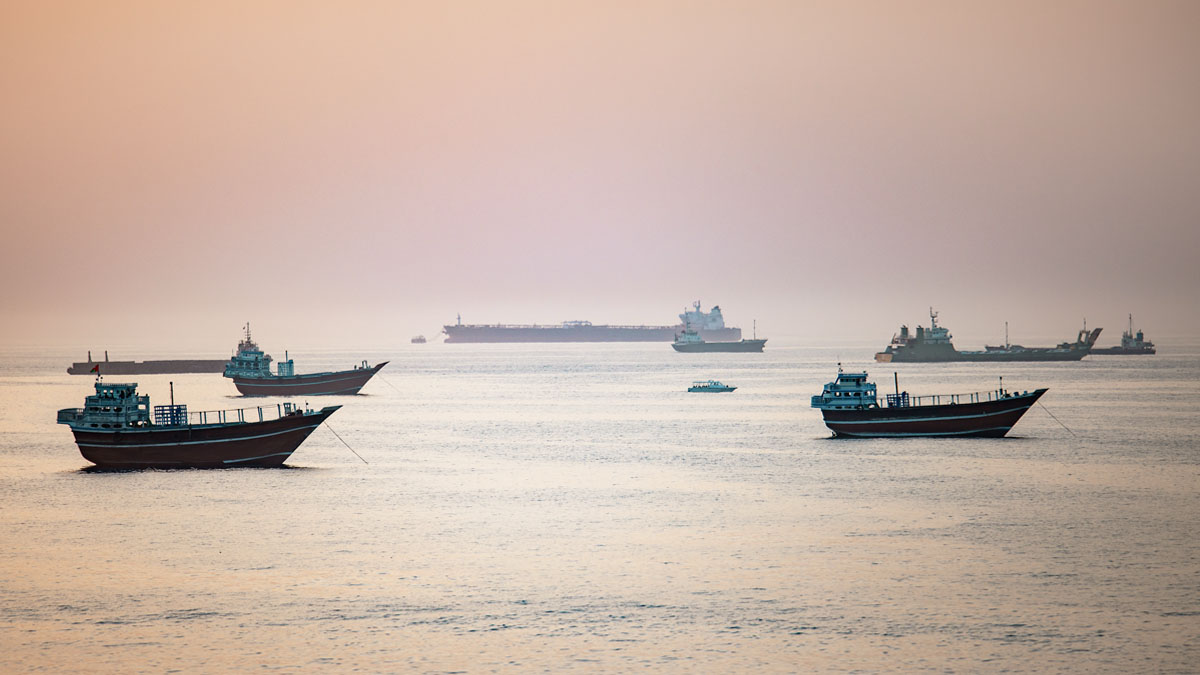
| After months of disruption in the Strait of Hormuz and the Red Sea, fashion companies weathering the US-Iran war are reassessing supplier relationships, inventory buffers, and the true cost of resilience. |
|
|
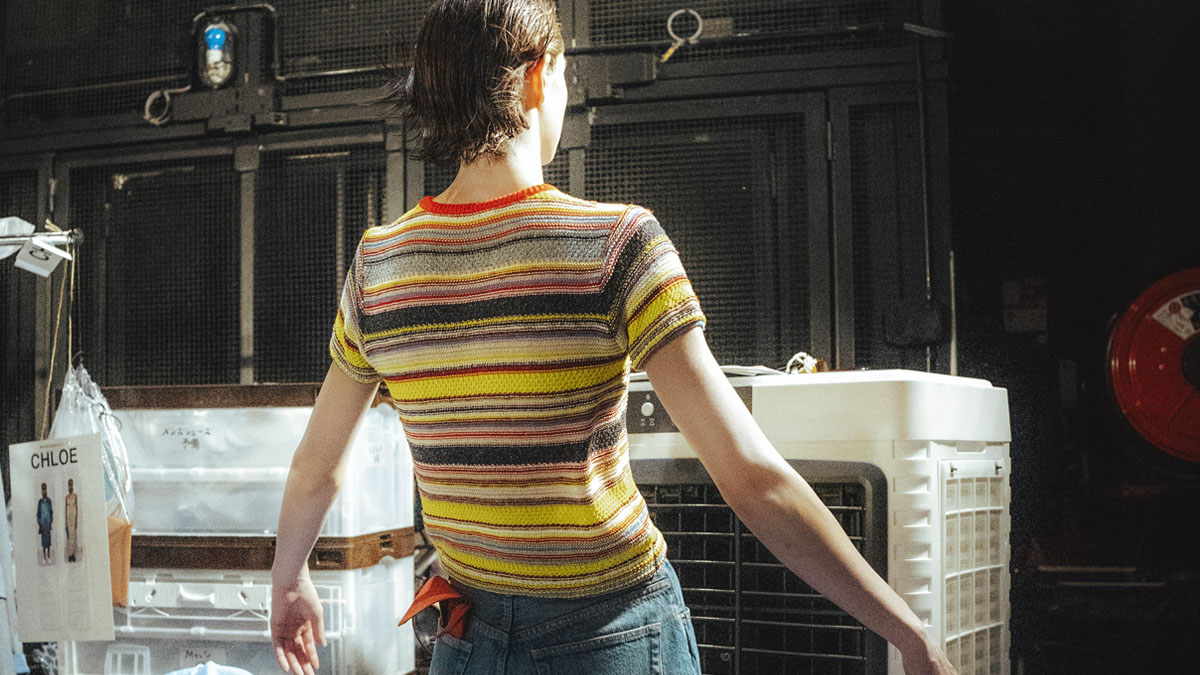
| As blazing summer heat becomes the new norm, the industry is adjusting buys and product to keep customers cool |
|
|
| Copyright © 2026 Condé Nast, All rights reserved. |
|
|
|